
 +998 78 129 19 19


IFY programme
What is International Foundation Year?
An International University Consortium pre-university programme developed with partner universities for progression to the first year of a bachelor’s degree.

The main idea
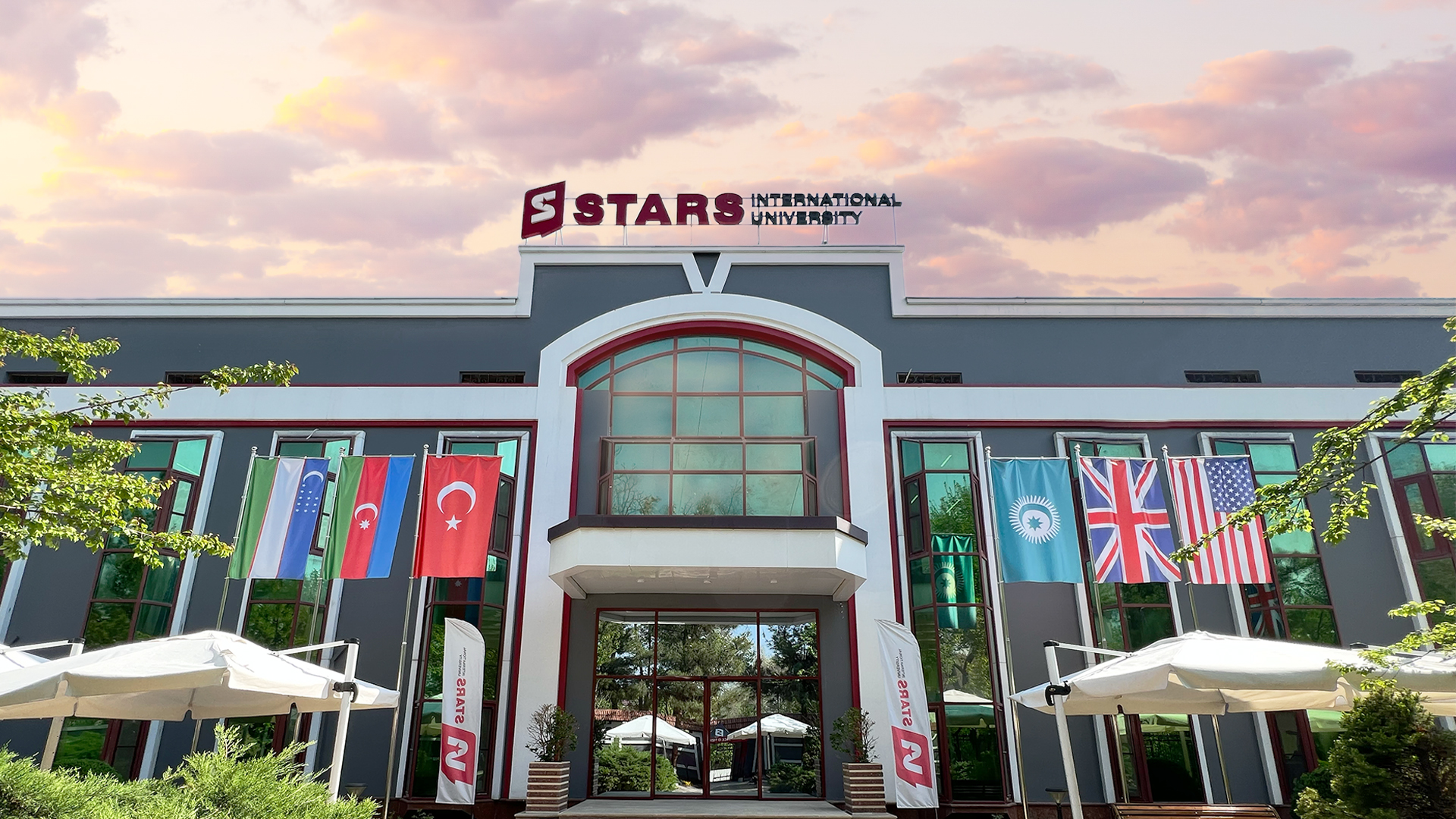
International Foundation Year is an International University Consortium programme developed with partner universities as an academic pathway to the first year of their undergraduate programmes. Students begin at STARS International University in Tashkent, choose their future field and target universities in advance, and then continue within the international university network.
International Foundation Year
Everything you need to know about the programme — briefly and clearly

IFY programme
An International University Consortium pre-university programme developed with partner universities for progression to the first year of a bachelor’s degree.
IUC programme
For school graduates and other applicants who need an academic bridge between their previous education and the first year of an international university.

After Foundation, students can access 80+ partner universities and 7,500+ undergraduate programmes worldwide.

The student. STARS helps compare universities, countries, subjects and budgets, then create a personal shortlist.

The university selected for further study awards the bachelor’s degree after the full programme is completed.

At STARS International University in Tashkent, without moving abroad for the foundation year.

Because students take the International University Consortium Foundation Year developed with partner universities.

Three academic subject modules, English, research and academic communication skills, plus study-success skills.
The academic system
International Foundation Year is an International University Consortium programme. It is not a standalone internal STARS course, but part of an international progression system developed with partner universities to prepare international students for first-year undergraduate study.
Defines the academic structure and international progression ecosystem.
Teaches students in Tashkent, provides academic support and helps build a university progression strategy.
Recognise IFY as an academic pathway to undergraduate study within the network.
Chooses a future field and target universities from the outset, studying towards a clear next destination.
University progression
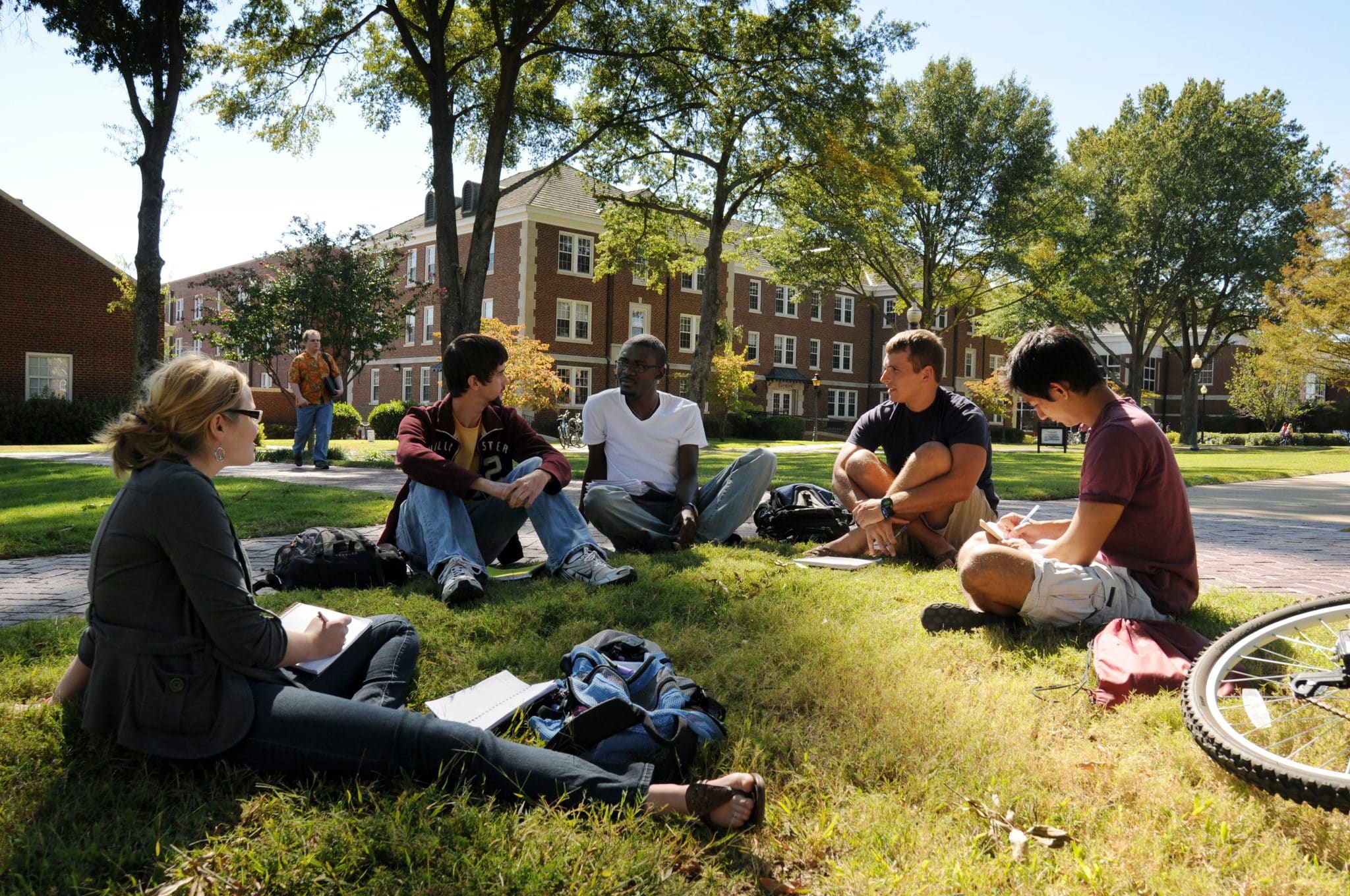
Partner universities recognise IFY as an academic pathway to undergraduate study. STARS helps align your future degree, Foundation subjects, university requirements and application deadlines in advance.
Define your future field, countries and suitable universities with STARS Admissions.
Choose three IFY subjects aligned with the requirements of your target degrees.
After successfully completing IFY, apply to available programmes in the partner network.
Consortium Guarantee. Progression is considered after successful completion of IFY and satisfaction of the requirements of an available chosen degree. Conditions, deadlines and university options are confirmed for each intake and field; no specific university or degree is assigned automatically.
Ecctis — an independent assessment benchmarked the programme’s academic standard against GCE A Level (UK), Advanced Placement (USA), HKDSE, Australian Senior Secondary School Certificate and Alberta High School Diploma.

 Birmingem, USA
An international university with a broad programme portfolio and modern academic environment.
Edmonton, Canada
A university combining strong academics, research and practical learning.
Birmingem, United Kingdom
A modern education centre with programmes for professional and international development.

Portfolio, creative practice, visual context and the development of creative ideas.
Management, marketing, HR, finance and business strategy.
Microeconomics, macroeconomics, markets and international trade.
Cell structure, genetics, physiology and experimental methods.
Atomic structure, organic chemistry, chemical equilibrium and analytical methods.
Advanced mathematical methods for technical and engineering fields.
Programming, algorithms, computer systems and computational thinking.
Globalisation, sustainable development and international relations.
Society, social relations, institutions and cultural influence.
Mechanics, electricity, waves and quantum physics.
Data, mathematical modelling and practical applications of mathematics.
Mathematics for engineering and IT: mechanics, differential equations, trigonometry and technical methods.
Programme structure
Students study three subject modules, academic English and research communication, plus Skills for Success. Subjects are selected for the future degree and universities on a personal shortlist.
The typical model is 30 teaching weeks, 18 teaching hours per week and about 1,200 total learning hours including independent study. STARS publishes the calendar for each intake; other formats may be available.
Academic reading, writing, speaking, listening and research communication.
Time management, critical thinking, academic integrity, digital literacy and independent study.
Choosing subjects
These examples explain how subjects are chosen. STARS confirms the final combination against the requirements of selected universities and programmes.
Physics + Technical Maths + Further Maths, or another suitable technical combination.
Computer Science + Technical or Integrated Maths + Further Maths, or another suitable combination.
Biology + Chemistry + Maths, or another suitable science combination.
Business Studies + Economics + Integrated Maths, or another suitable combination.
Global Studies + Sociology + Business or Economics, or another suitable humanities combination.
Art and Design + Maths + a complementary academic subject.
Biology or Sociology + Maths + a suitable social-science subject.
Biology, Chemistry, Global Studies and Maths — the combination depends on the target degree.
Each field contains many degree options. The list shows the partner network’s breadth; availability of a degree and university depends on the intake and admissions requirements.
Special pathway
Medical and related degrees require early planning of science subjects and the chosen university’s requirements.
Biology, Chemistry and Maths or other science preparation provide the academic foundation.
Medicine, Biomedical Sciences, Biochemistry, Medical Sciences, Nursing, Public Health, Nutrition and Neuroscience.
STARS helps identify suitable medical and health options early and plan a preparation timeline.
For regulated professions, tests, interviews and documents are planned separately where required.
Medicine and Dentistry are regulated fields: tests, interviews, documents and admissions requirements are reviewed individually. IFY alone does not guarantee a place on a specific medical degree.
Who IFY is for
Needs an academic bridge to the first year of an overseas university.
Wants to choose a university early and prepare for international study.
Seeks a new international route; previous study is assessed separately.
Can use IFY as the next academic stage.
Can keep subject options flexible and narrow the goal with STARS Admissions.
Can take a preparatory English route first if needed.

Entry points
Three programme levels for different academic backgrounds



Life at STARS
University selection, degree mapping, applications, documents and deadlines.
Administrative support for international students.
Organised residence for international and out-of-town students.
Facilities for daily life and meals.
Access to a medical check-up through partner clinical facilities.
Gym, pool and sports activities.
Student clubs, events and initiatives.
Access to additional academic resources at the National Library.
STARS travel and practical programmes, including Work & Travel where current terms allow.
Communication, independent study and preparation for professional life.
Admissions
Submit the application and core academic documents.
STARS identifies the optimal entry point and discusses the future field of study.
The student receives an initial map of possible destination universities and academic fields.
A formal study offer is issued.
The place and applicable grant/payment model are confirmed.
STARS organises the necessary administrative processes for international students.
The student begins the foundation programme with a progression roadmap.
Tuition and grants
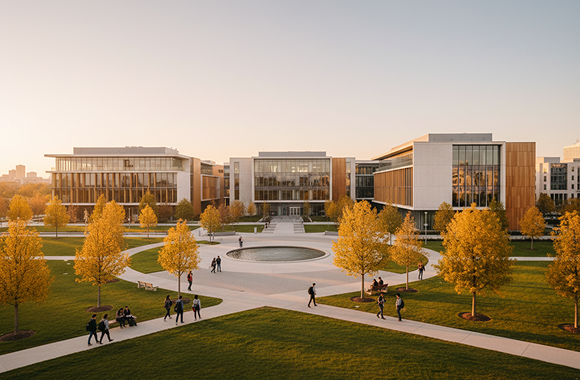
During International Foundation Year, students pay STARS International University under the current 2026–2027 grant and payment policy. The grant system can significantly reduce the effective cost for strong and motivated applicants.
Study, grant support, academic guidance and progression planning in Tashkent.
Many destination universities offer their own scholarships, grants and awards.
Students pay the destination university’s current tuition for the relevant programme and intake.
The full international year is completed in Tashkent, without overseas living costs at this stage.
Application checklist
If you have studied at university, prepare your academic transcript and course descriptions so STARS can assess eligibility for IY1 or IY2.
Everything you need to know about IFY and university admission

Yes. This pathway is specifically designed for progression to Year 1 of an undergraduate programme.